
This website uses cookies to ensure you get the best experience on our website. By using our site you consent cookies. Read Our Cookie Policy Here
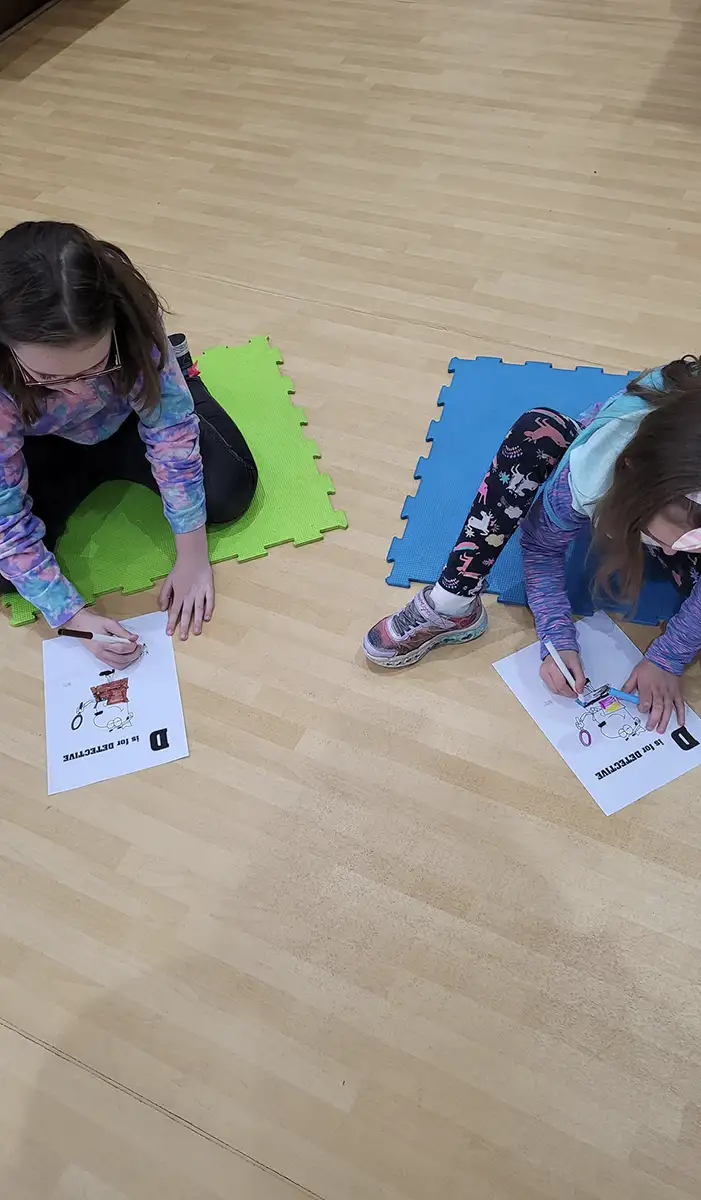
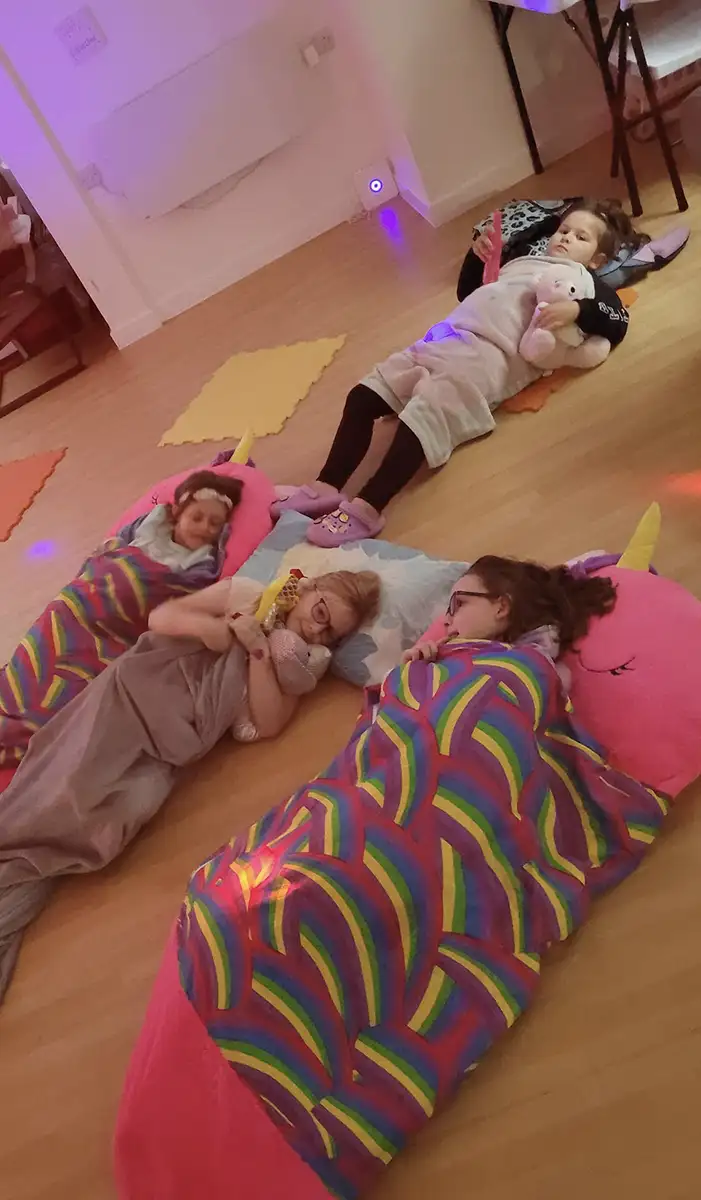
In academic year 2022-2023, Live Well North East delivered the CCWP, funded by a Durham County Council Countywide AAP grant.
The project saw us work with Primary schools across County Durham, delivering group emotional wellbeing intervention courses to children identified as ‘in need’.
Very anxious/worried: 150 children
Extremely anxious/worried: 46 children
No anxiety/worry: 62
Very anxious/worried: 26 children
83% Improvement
Extremely anxious/worried: 8 children
83% Improvement
No anxiety/worry: 127
105% Improvement
Feedback from school staff included:
“Feeling able to leave mam and come to school”
“L is a little more able to cope with unexpected situations”
“J internalises a lot of his feelings but can display his anxieties through chattiness and stammering. The intervention was a calm and safe space for J to express himself and take time out.”
Moderate-extreme levels: 237 children
Moderate-extreme levels: 85 children
64% Improvement
High levels: 137 children
High levels: 29 children
79% Improvement
Feedback from school staff included:
“L can express his emotions openly, however, when he is faced with difficult situation, he has struggled to verbalise how he is feeling at that time. During the intervention, L expressed that he was using a lot of the intervention techniques and strategies at home for a variety of different scenarios.”
Moderate-extreme levels: 110 children
Moderate-extreme levels: 18 children
Unable/ had difficulty to understand and express emotions: 237
Unable/ had difficulty to understand and express emotions: 101
Feedback from school staff included:
“S is able to talk about his emotions and understand other’s.”
“A is becoming better at understanding and recognising emotions in others.”
“He struggled with sharing his emotions however is now able to.”
“L has become more aware of his feelings and emotions and is beginning to share these with adults.”
“T has become more confident in speaking about her emotions and feelings. She is able to speak to adults and has seemed to have become a little more confident in class.”
“A has been able to speak about her emotions with adults and has become more confident when sorting out situations.”
Unable/ having difficulty calming down when anxious or worried: 231 children
Unable/ having difficulty calming down when anxious or worried: 68 children
71% Improvement
Feedback from school staff included:
“A is getting better at regulating her own emotions, especially with coming into school on a morning.”
“The child is in much more control of his feelings and emotions.”
“T feels safe to practice some of the techniques in and around school when he is feeling overwhelmed.”
“L can become very overwhelmed and sensory sensitive very quickly. L is able to use the activities shown in the intervention with adult support and guidance.
Struggles/less able: 273 children
Struggles/less able: 58 children
79% Improvement

Working throughout the North East of England, Live Well North East provides a wide range of wellbeing services all uniquely designed and delivered to enrich and empower lives.
©2023 Live Well North East. All Right Reserved.